Petrosains: The Discovery Centre
Kuala Lumpur, Malaysia
This 100,000-square-foot science center interprets Malaysia’s petroleum resources and industry. A design-build project, it was budgeted at $63 million USD in 1995, now $137 million USD in inflation-adjusted dollars.
Guerin was the lead project designer for the firm DMCD leading an international team of designers, producers, programmers and fabricators. Primary exhibit builder was the legendary Otto Stegemann and his Chicago firm General Exhibits & Displays.
Techniques range from a people mover media experience (built by Mach in Germany), fully immersive environments, hands-on interactives, complex electromechanical models, decision theaters, simulators, and the ARIF, an Apple Newton-based mobile learning system.
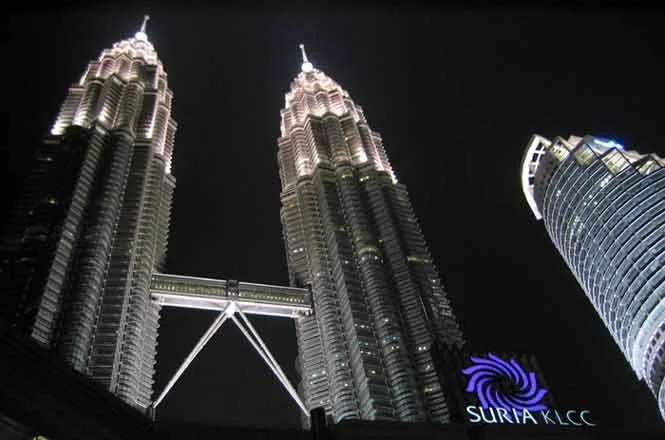
The Centre is located on two floors of the Suria Mall.
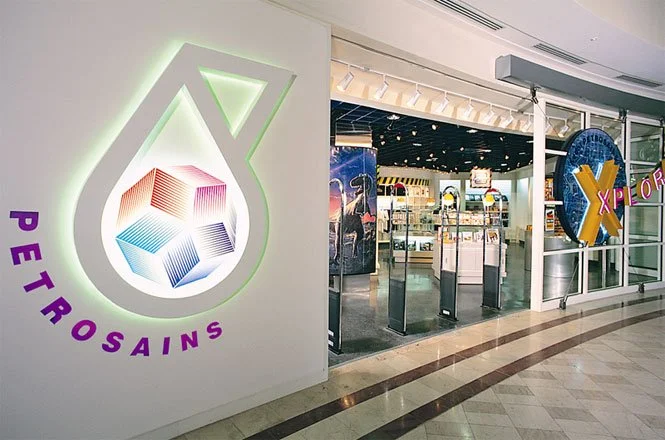
Guerin's team was also responsible for branding and retail design. Shout out to Kitty Smith!
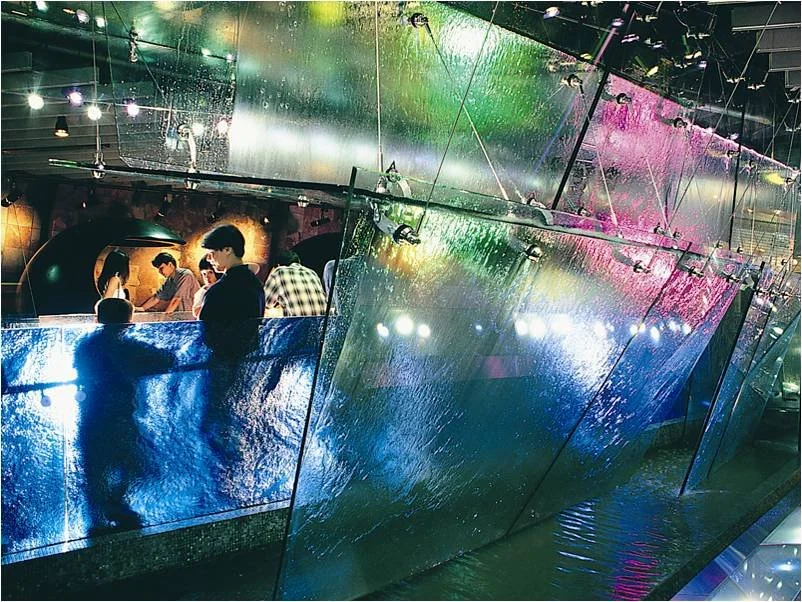
Guests began their visit by walking under a water fall flowing over glass suspended by a custom cable system similar to that used in large racing sailboats.
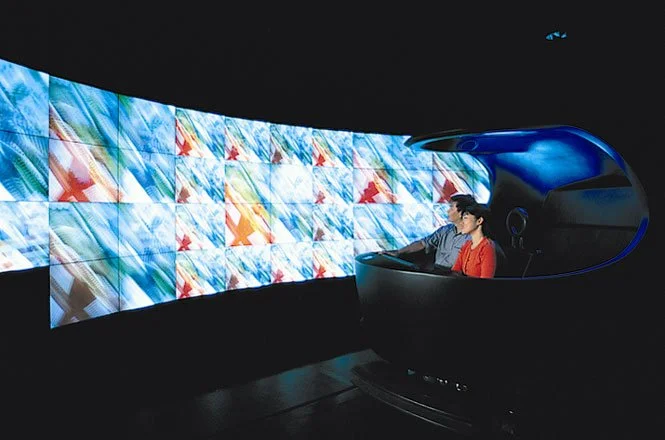
To bring visitors past a concert hall and up one floor, a custom built people-mover was created. It looped so that at the end of the visit, guest's returned to the entry point. Each leg had three or four media environments enhanced by a luxury-car-grade audio system.
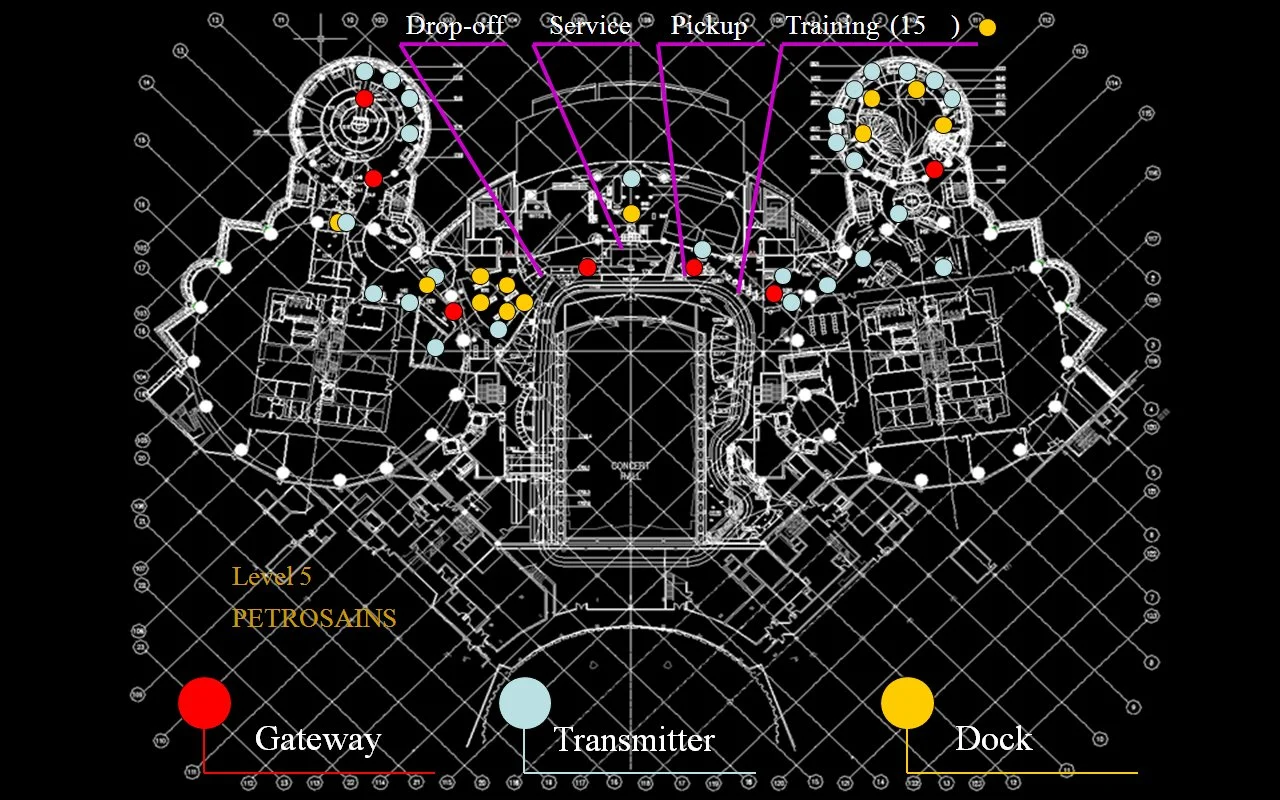
Each square is 5M per side in this floor plate that highlights ARIF interaction locations. The Center occupied two such floors and included administrative offices.
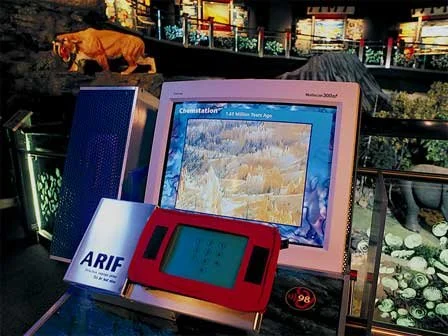
We married the Newton to a radio so that gateways could trigger location-aware content in one of two languages. By docking the system, the Newton's IR port could transfer data bi-directionally.
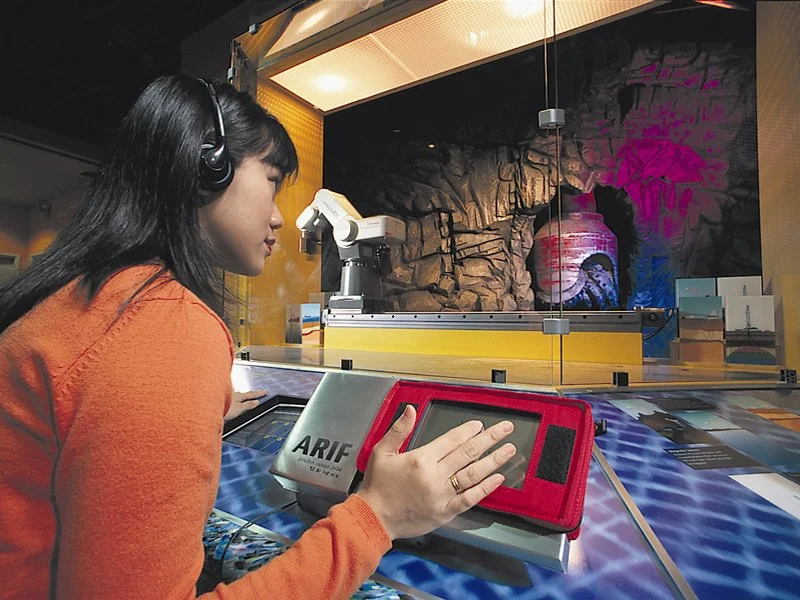
Visitors controlled many kinds of systems including this drilling robot.
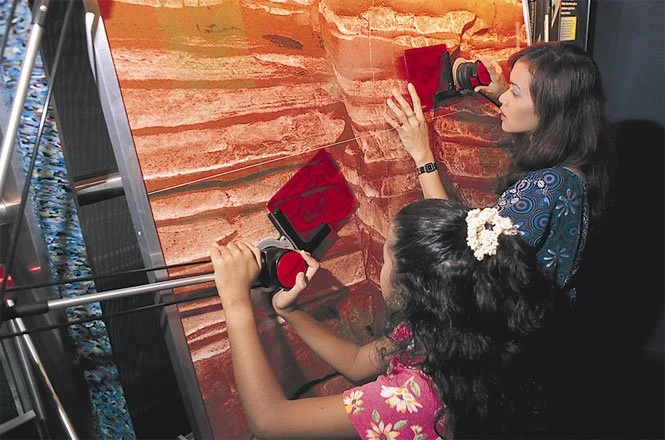
Here visitors search for fossils that indicate sedimentary layer's ages.
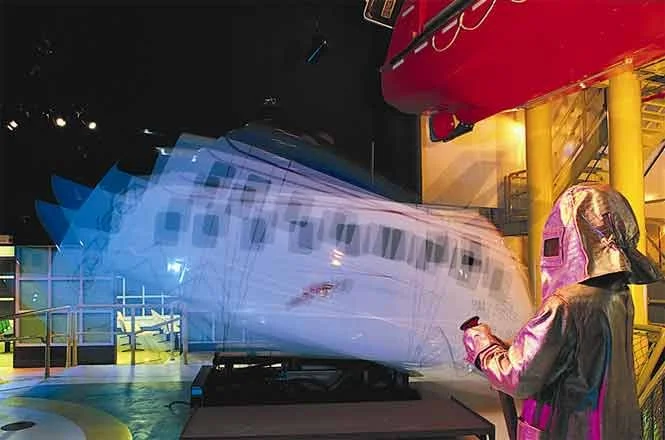
A motion-platform simulator "flew" visitors out to the oil rig as we had many times.
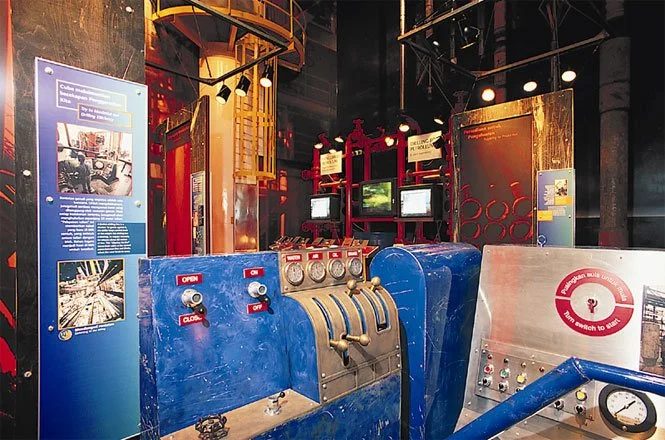
In exacting detail and patina, built by an actual rig construction firm, the rig remains an immersive marvel.
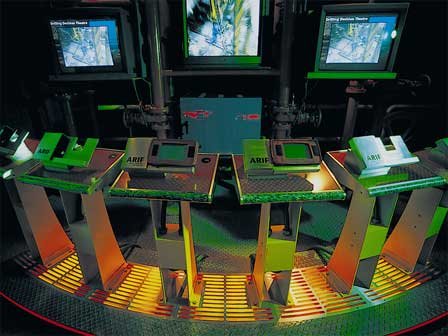
The ARIF guided a team to confirm the approach to drilling a well.
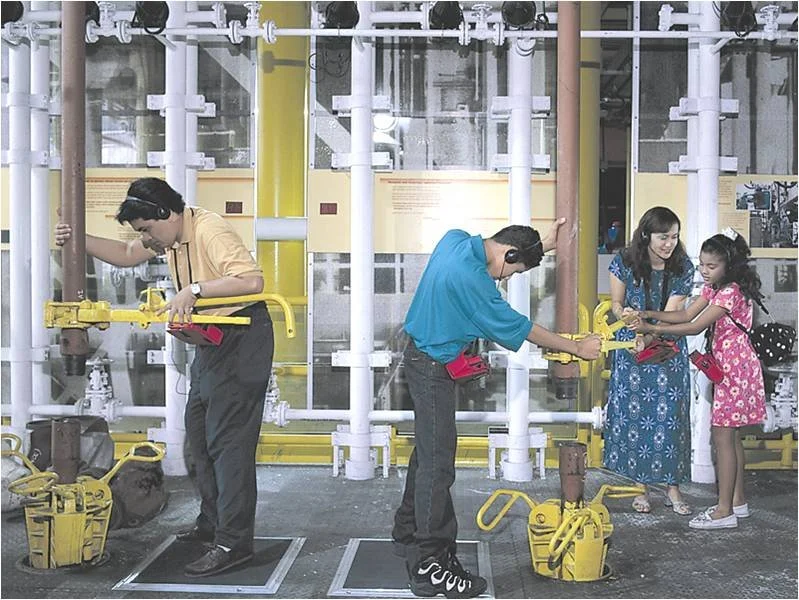
Roughnecks handle massive piping and need to align them quickly for connection. We created a museum-grade hands-on to test visitor's skills.
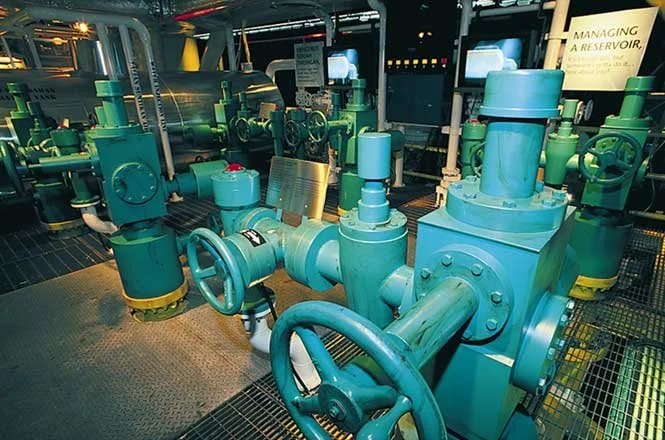
Recreated well heads—the real ones are solid stainless steel— contained rotary sensors that groups of visitors used to control well output.
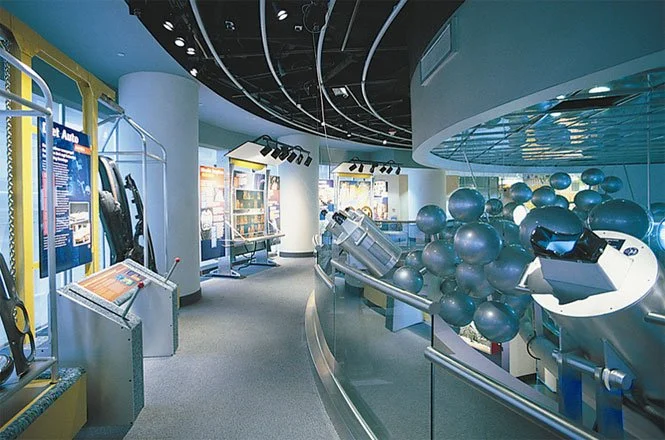
A spiral stair and glass elevator (think the Apple store but 10 years earlier) brings visitors back up to the second floor through a molecular sculpture.
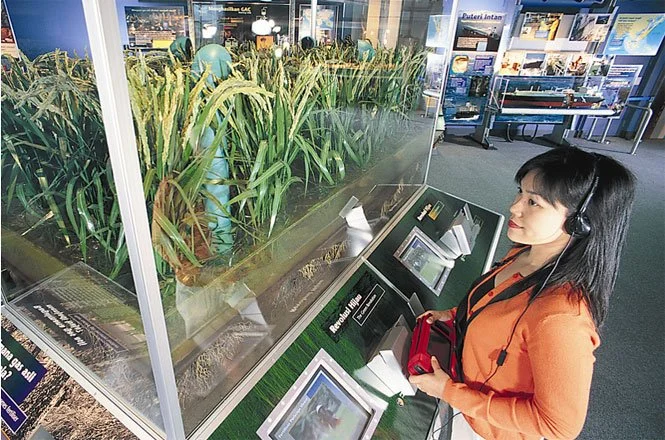
Other aspects of the industry such as natural gas liquefaction, fertilizer manufacture, and of course, plastics, were covered.
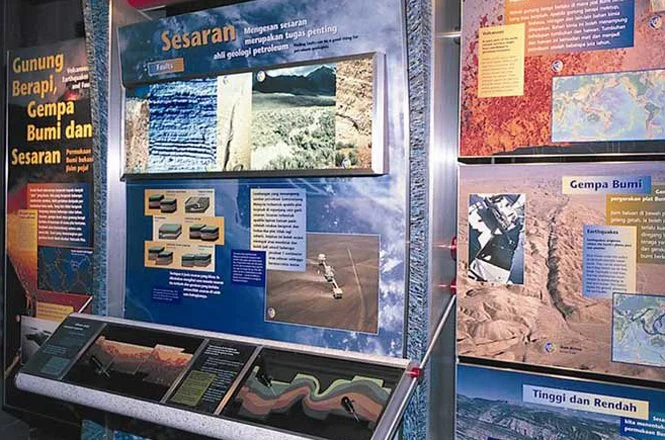
Dual language text is challenging but the ARIF made it possible to numerically tag content for deeper information in English and Bahasa Malaysia.
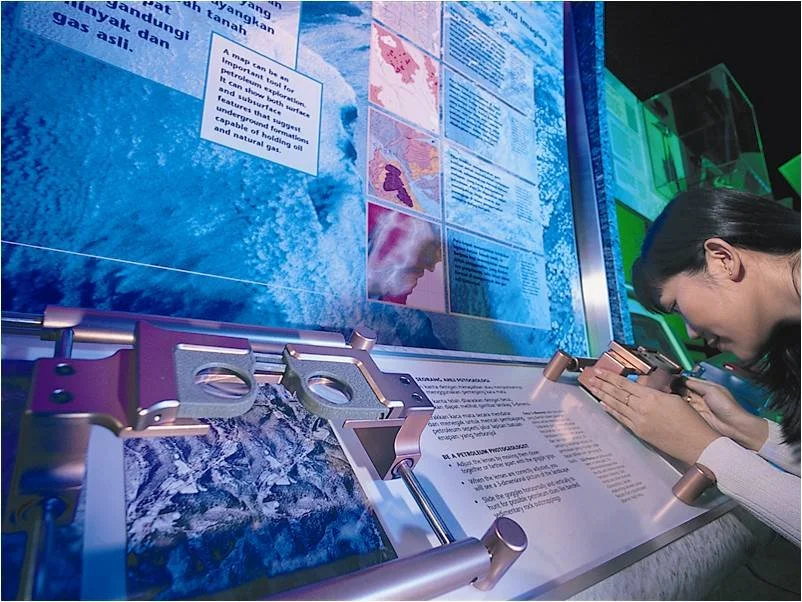
The overarching goal was to put visitors into the shoes of the workers, scientists, and engineers who do the work in the lab and in the field.
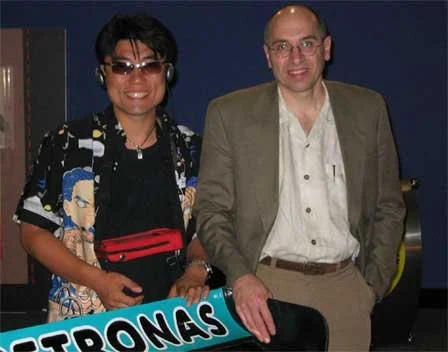
The ARIF was so popular that of the 400 available, they were sometimes "rationed" to repeat visitors. Here, my colleague Ted Pashkis, is shown with an enthusiastic user.